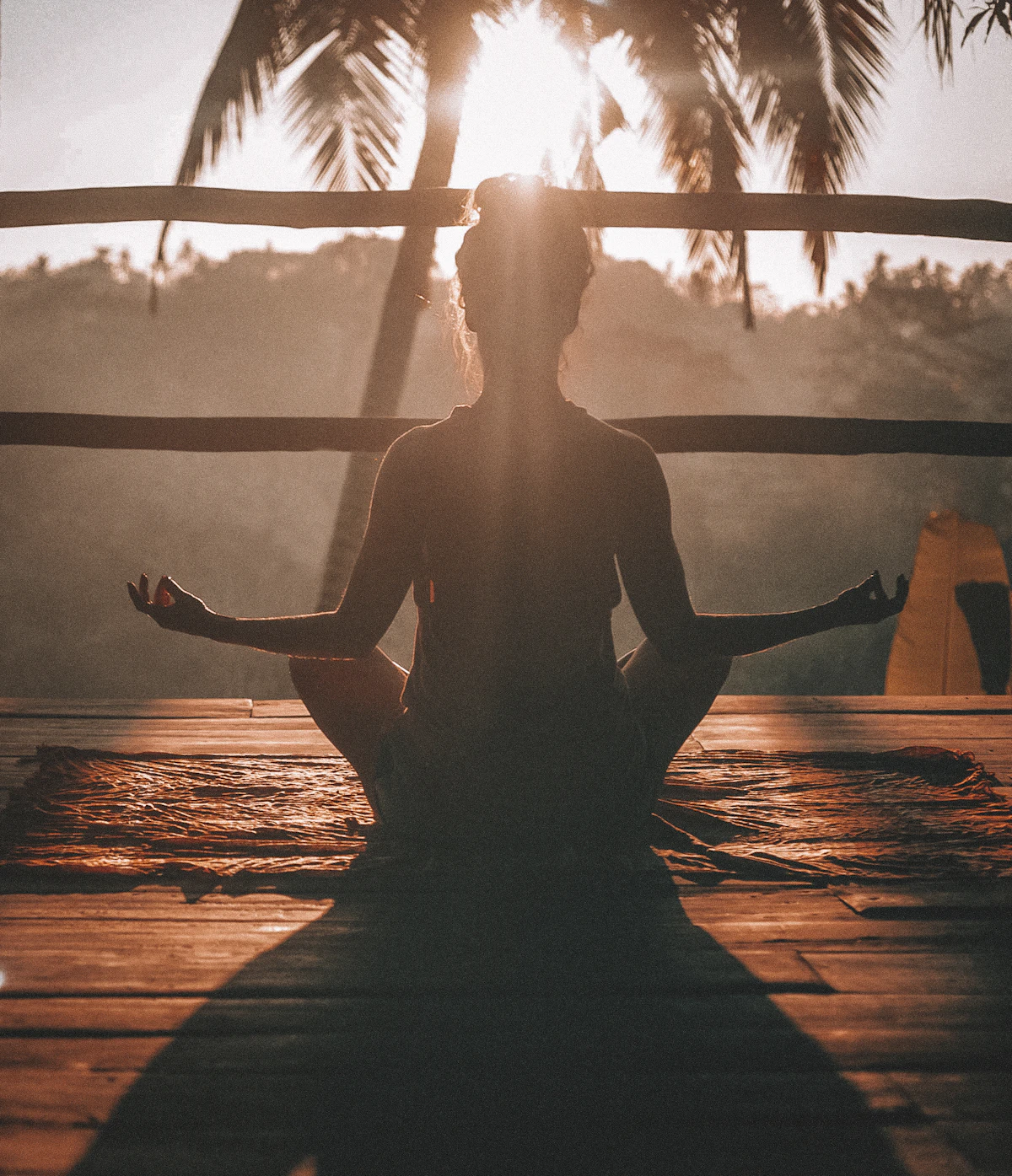
Prana translates to life force energy, and Yama translates to control or expansion. Thus, Pranayama is the science of expanding and regulating our vital life energy through the breath.
The Connection Between Breath and Mind
Have you ever noticed how your breathing changes when you are stressed? It becomes shallow, rapid, and erratic. Conversely, when you are relaxed, your breath is slow, deep, and rhythmic. The ancient yogis understood that the breath and mind are inherently linked. By intentionally altering the breath, we can hack into our nervous system to induce a state of profound calm.
Activating the Parasympathetic Nervous System
Specific breathing techniques, such as Nadi Shodhana (Alternate Nostril Breathing) and Bhramari (Humming Bee Breath), stimulate the vagus nerve. This activation shifts the body from a sympathetic "fight or flight" state to a parasympathetic "rest and digest" state. This shift is crucial for physical healing, digestion, and emotional balance.
Benefits of Daily Pranayama
- Reduces Anxiety: Slower breathing rates communicate safety to the brain, drastically reducing feelings of panic and anxiety.
- Improves Focus: Practices like Kapalabhati help clear mental fog and improve concentration by oxygenating the brain.
- Enhances Lung Capacity: Conscious deep breathing trains the respiratory muscles, expanding lung volume and improving oxygen exchange.
- Emotional Regulation: Observing the breath creates a gap between a stimulus and our reaction, allowing us to respond to situations with clarity rather than impulsive emotion.
Starting Your Practice
Pranayama is a powerful tool, but it should be approached with respect. It's recommended to start with basic techniques like Sama Vritti (Equal Breathing) or deep diaphragmatic breathing. As your lung capacity and nervous system adapt, you can explore more advanced retentions (Kumbhaka) under the guidance of an experienced teacher.